Tractors
Requests involving John Deere, Fendt, Claas, Deutz-Fahr, Case IH, New Holland, Massey Ferguson, Valtra or Steyr can be submitted for a machine-specific pre-check; naming a brand is not a compatibility promise.
Agricultural machinery · tractors · agricultural technology
When power drops under working load, a tractor enters limp mode or DPF, EGR and AdBlue/SCR warnings return, the complete operating profile matters. MG AutoTech assesses engine software, the control unit, live data and emissions aftertreatment as one system.
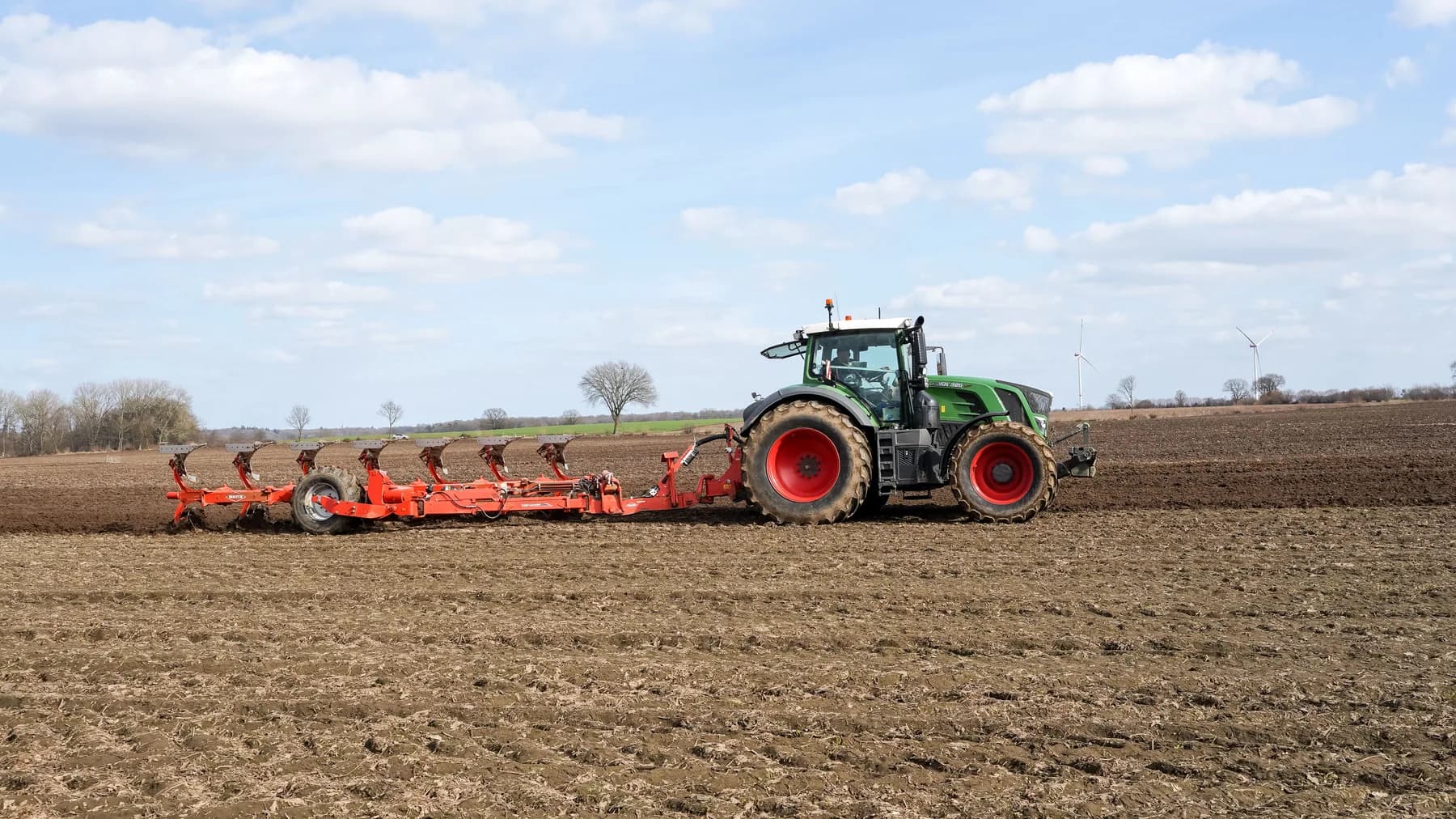
Illustrative photo for agricultural machinery and tractors; not an MG AutoTech customer vehicle.
Relevant service areas
Calibrate torque delivery, response and output only after checking condition, load profile and control unit.
View service detailsAssess shift logic, torque release and protection limits only where the transmission and controller are technically suitable.
View service detailsClassify limp mode, derating, warnings and loss of power systematically instead of replacing parts on suspicion.
View service detailsCheck identification, readout, backup, programming and technical access for the system actually installed.
View service detailsWhen replacement is required, assess transfer to a technically matching unit; not every controller is fully readable or compatible.
View service detailsCheck supply, communication, hardware and data state, then assess repair, programming and replacement as separate routes.
View service detailsPrices and turnaround times shown on linked passenger-car offers do not automatically apply to these vehicle and machine classes. A specific quotation follows the technical pre-check.
Symptoms and search situations
The tractor no longer pulls as expected, working speed drops or output is limited during traction, PTO or hydraulic work.
A warning, reduced output or an rpm limit can originate in sensors, fuel supply, boost pressure, temperature or aftertreatment.
Frequent, interrupted or inhibited regeneration requires soot-load, temperature, pressure and operating data rather than a blanket measure.
If the AdBlue tank is full but the warning remains, dosing, sensors, lines and communication need to be assessed separately.
No access, intermittent communication or a replacement engine ECU may call for readout, programming, cloning or repair assessment.
Calibration is assessed against engine, transmission, cooling, duty cycle and suitable torque delivery—not just a peak-output figure.
Vehicle and machine types
Requests involving John Deere, Fendt, Claas, Deutz-Fahr, Case IH, New Holland, Massey Ferguson, Valtra or Steyr can be submitted for a machine-specific pre-check; naming a brand is not a compatibility promise.
Combines, forage harvesters and self-propelled sprayers differ significantly in engine, controller network and aftertreatment.
Telehandlers, farm loaders and specialist machines are assessed by engine ECU and duty profile; hydraulic and safety systems remain separate specialist domains.
Operating context, not a generic file
Agricultural machines work for long periods under high and changing load. Traction, PTO operation, hydraulic demand, cooling and exhaust temperature influence one another. Useful software work must therefore address the working range, not just a maximum output number.
Not every machine has the same combination of DOC, DPF, EGR, SCR, AdBlue and NOx sensors. The fault is assessed against the system actually installed. An emissions warning is not an automatic reason for tuning, and software cannot replace defective mechanics or sensors.
Workflow
Manufacturer, type, year of manufacture, engine, output, control unit and existing modifications are reviewed together.
Warnings, fault codes, live data and real use determine whether diagnosis, repair or software work comes first.
Only after the pre-check are the work route, required documents and a specific quotation agreed.
Send the right information first time
Send the information and clear photographs directly via WhatsApp. Leave any unknown item blank.
Request a tractor check via WhatsAppManufacturer, model and type designation
Year of manufacture, engine output and operating hours
Engine or ECU type; a photo of the ECU label if available
Exact fault code and a photo of the display message
When the fault occurs: cold start, traction, PTO, hydraulics or regeneration
Required service: diagnostics, calibration, ECU service or emissions-system assessment
Clear scope
Engine, fuel, cooling, boost, electrical and hydraulic faults are not “programmed away” with a calibration. Active faults are diagnosed first.
DPF, EGR, AdBlue and SCR work is classified for the specific machine, use and legal framework. “Off-road” does not automatically permit changes to emissions systems. Approval and evidence requirements remain machine-specific.
Frequently asked questions
Tractors, harvesting machinery, self-propelled sprayers and agricultural loaders can be submitted for a technical pre-check. Feasibility depends on engine, ECU, software state, emissions stage, condition and access method.
No. Identity, data state, engine and transmission limits and the real working cycle are checked first. A brand or model name alone is not enough for approval.
No. Air, fuel, boost, temperature, sensors, electrics, emissions or hydraulics can create similar symptoms. Fault codes and live data help locate the correct system path.
Short or interrupted duty cycles, low exhaust temperature, high loading, implausible sensor values or other engine faults are possible. Machine and measurement data are required.
A full tank does not prove that the SCR system works. Dosing, pump, lines, temperature, NOx sensors, communication and stored faults must be checked.
That depends on the controller and its protection. OBD, bench and boot are different access routes; the appropriate method is selected in advance.
Software and emissions changes may require evidence, approval or registration assessment. Intended use and vehicle documents must be reviewed before implementation.
Agricultural machinery · tractors · agricultural technology