Ducato, Boxer and Jumper
Fiat Ducato, Peugeot Boxer and Citroën Jumper can look similar while using different engines, controllers and software versions depending on the year of manufacture.
Motorhomes · campers · panel vans
A fully loaded motorhome behaves differently from an empty van on hills, long motorway journeys and hot days. We assess engine software, torque delivery, transmission, DPF, EGR, AdBlue/SCR and control units for the actual base vehicle and travel use.
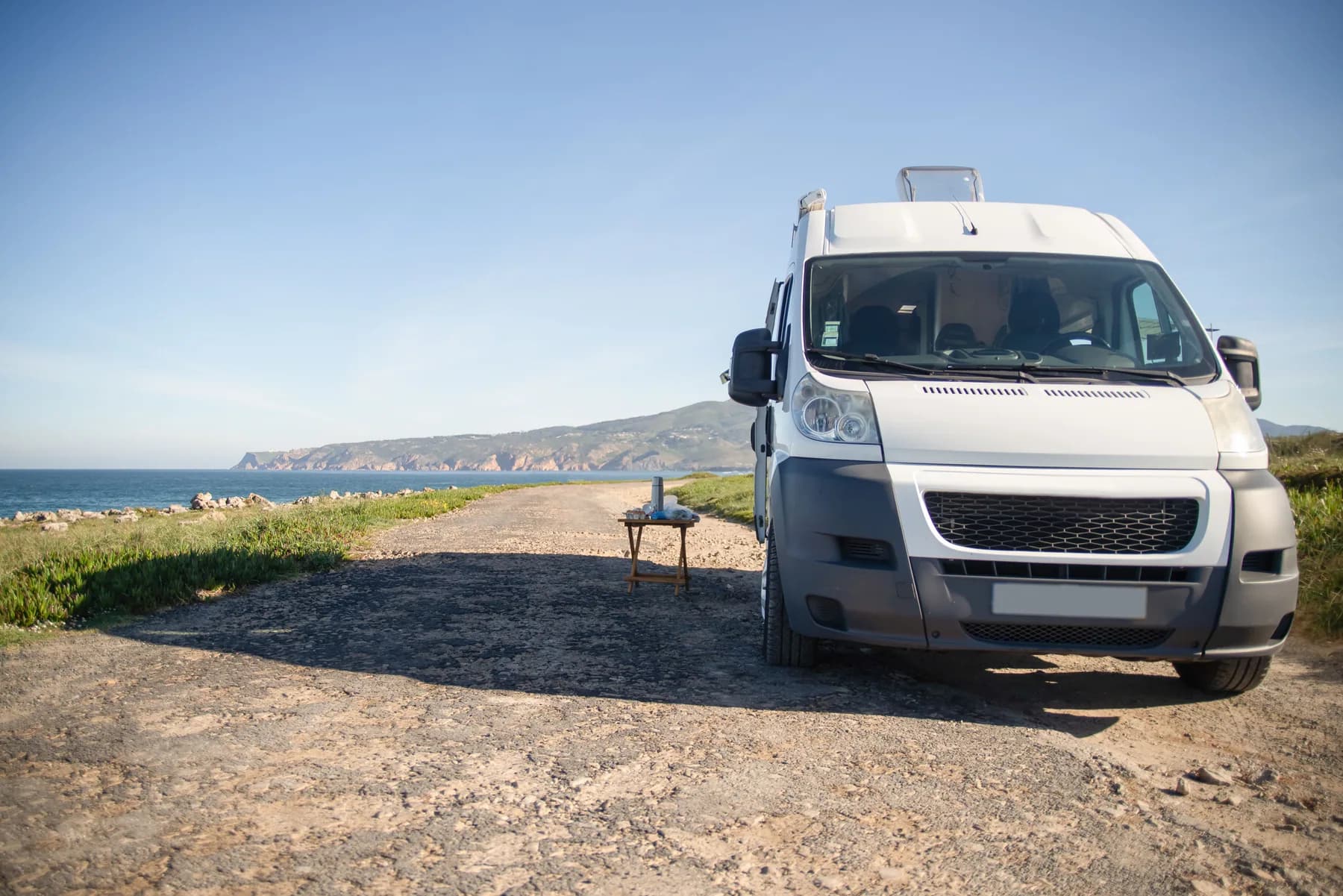
Illustrative photo for motorhomes and campers; not an MG AutoTech customer vehicle.
Relevant service areas
Calibrate torque delivery, response and output only after checking condition, load profile and control unit.
View service detailsAssess shift logic, torque release and protection limits only where the transmission and controller are technically suitable.
View service detailsClassify limp mode, derating, warnings and loss of power systematically instead of replacing parts on suspicion.
View service detailsCheck identification, readout, backup, programming and technical access for the system actually installed.
View service detailsWhen replacement is required, assess transfer to a technically matching unit; not every controller is fully readable or compatible.
View service detailsCheck supply, communication, hardware and data state, then assess repair, programming and replacement as separate routes.
View service detailsPrices and turnaround times shown on linked passenger-car offers do not automatically apply to these vehicle and machine classes. A specific quotation follows the technical pre-check.
Symptoms and search situations
The motorhome loses speed on gradients, needs frequent downshifts or feels very slow at real travel weight.
After a long journey, high load or regeneration, a warning appears and output is limited. The code and operating condition must be considered together.
Long storage, short manoeuvring trips and interrupted regenerations can load the system; pressure, temperature and calculated loading must be plausible.
Messages such as “No engine start in … km” require prompt diagnosis of dosing, sensors, temperature, communication and stored faults.
With programming faults, replacement controllers or an unclear software history, the original state, access route and recovery path are checked first.
A suitable calibration accounts for vehicle mass, engine reserve, clutch or automatic transmission, thermal load and the base vehicle’s limits.
Vehicle and machine types
Fiat Ducato, Peugeot Boxer and Citroën Jumper can look similar while using different engines, controllers and software versions depending on the year of manufacture.
Mercedes-Benz Sprinter, VW Crafter and Iveco Daily are assessed by the exact engine/transmission combination and motorhome conversion, not by model name alone.
Ford Transit, Renault Master and other platforms can also be submitted for a pre-check. Feasibility is confirmed only after the installed system is identified.
Operating context, not a generic file
Travel weight, frontal area, gearing, frequent gradients and sustained load change the thermal and mechanical framework. More torque is useful only when engine, transmission, cooling and existing condition fit. A guaranteed fuel saving cannot be inferred.
DPF, EGR, AdBlue, SCR and NOx faults are diagnosed first. Performance calibration is not a repair and is not used as a shortcut around an unresolved active fault.
Workflow
Manufacturer, type, year of manufacture, engine, output, control unit and existing modifications are reviewed together.
Warnings, fault codes, live data and real use determine whether diagnosis, repair or software work comes first.
Only after the pre-check are the work route, required documents and a specific quotation agreed.
Send the right information first time
Photograph the registration document, display message and the base-vehicle data plate if accessible. Personal data may be covered in the photographs.
Send a motorhome request via WhatsAppBase vehicle, motorhome manufacturer and model
Year of manufacture, engine, power and transmission
Permitted gross weight and approximate travel weight
Fault code, warning message and when it appears
Previous repairs or software work
Goal: diagnostics, driveability, ECU/TCU service or emissions-system assessment
Clear scope
Brakes, tyres, cooling, clutch, transmission and maintenance condition must suit the vehicle mass. Software cannot remove technical limits or replace a repair.
Power and emissions-related changes may affect approval, registration or operating permission. The exact scope is therefore assessed for the vehicle and its intended road use before implementation.
Frequently asked questions
It can be technically appropriate when engine, transmission, cooling, maintenance condition and real travel weight are suitable. A pre-check defines whether an adjustment is responsible and what goal is realistic.
Not automatically. Platform relationship does not replace identification of engine, ECU, software, transmission and emissions stage. These are checked on each vehicle.
No. Consumption depends heavily on speed, weight, body shape, route, weather and driving style. A specific reduction is not guaranteed.
No. An active emissions fault is diagnosed first. Sensors, loading, regeneration, dosing, lines and communication may require repair.
The system may have detected a fault beyond fluid level. Stored codes, dosing, temperature, NOx sensors and communication need to be tested.
It depends on the change, vehicle, evidence and intended use. Technical approval and registration requirements must be clarified for that vehicle before work.
Base vehicle, conversion manufacturer, year of manufacture, engine, transmission, weight, fault codes and the desired outcome. These details prepare the correct diagnostic and work route.
Motorhomes · campers · panel vans