Excavators, loaders and dumpers
Crawler and wheeled excavators, wheel and telehandlers and dumpers are pre-checked by engine, ECU, emissions stage, hydraulic duty and data access.
Excavators · loaders · dozers · working machinery
When engine speed collapses under hydraulic load, a machine derates or DPF, EGR and AdBlue/SCR warnings restrict work, the engine side must be separated from the working function. MG AutoTech assesses drive-side software, ECU, live data and emissions aftertreatment.
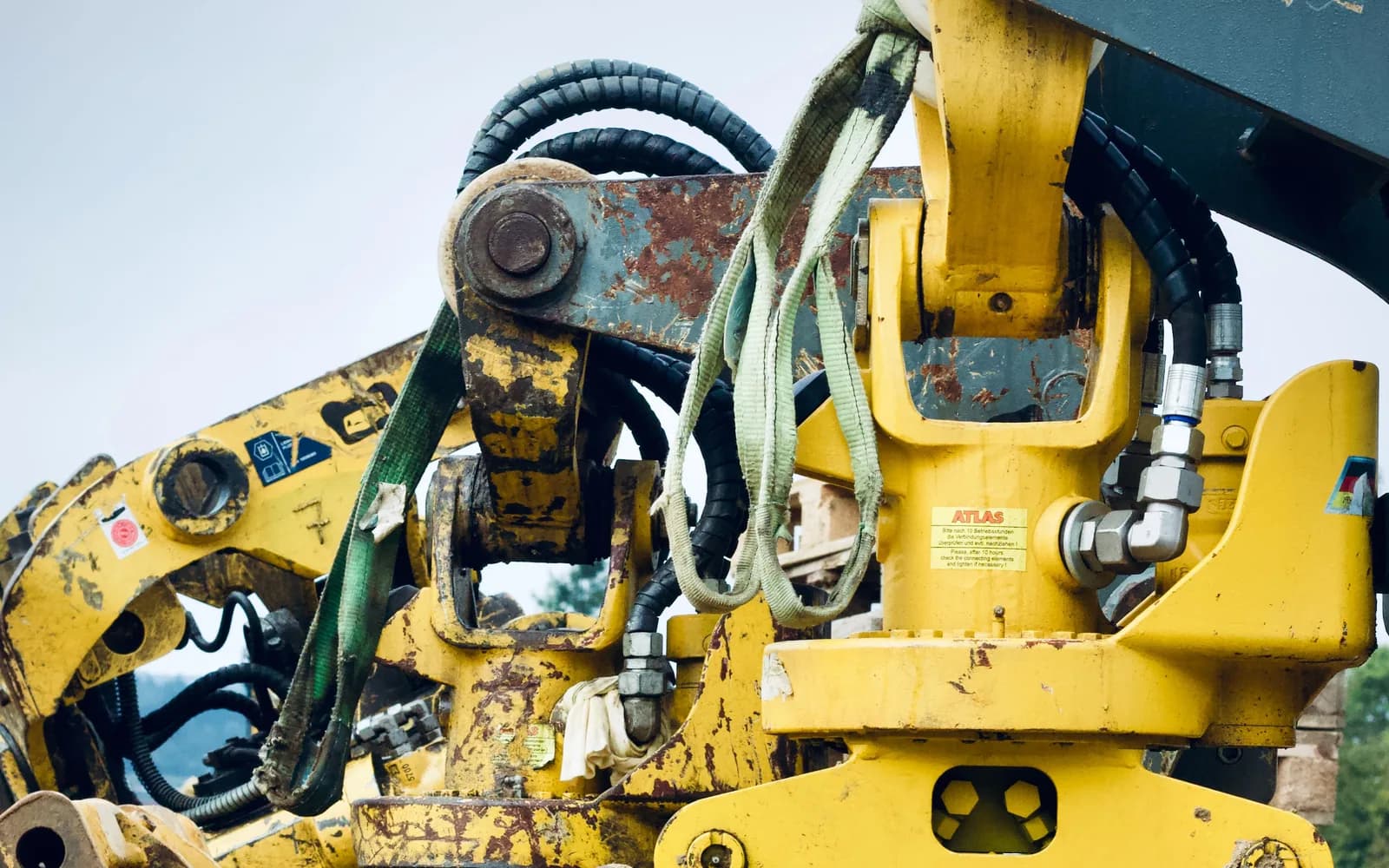
Illustrative photo for construction and work machinery; not an MG AutoTech customer project.
Relevant service areas
Calibrate torque delivery, response and output only after checking condition, load profile and control unit.
View service detailsAssess shift logic, torque release and protection limits only where the transmission and controller are technically suitable.
View service detailsClassify limp mode, derating, warnings and loss of power systematically instead of replacing parts on suspicion.
View service detailsCheck identification, readout, backup, programming and technical access for the system actually installed.
View service detailsWhen replacement is required, assess transfer to a technically matching unit; not every controller is fully readable or compatible.
View service detailsCheck supply, communication, hardware and data state, then assess repair, programming and replacement as separate routes.
View service detailsPrices and turnaround times shown on linked passenger-car offers do not automatically apply to these vehicle and machine classes. A specific quotation follows the technical pre-check.
Symptoms and search situations
Engine speed falls sharply while lifting, digging, loading or travelling. Engine output, hydraulic demand and control must be measured separately.
The machine limits torque or rpm. Codes, temperature, boost, fuel supply and aftertreatment data identify the cause.
Long idle time and low load can reduce exhaust temperature, while sensor or engine faults can also prevent DPF regeneration.
Dosing, pump, lines, temperature and NOx sensors and communication are checked before a measure is selected.
With lost communication, water damage, overvoltage or replacement need, repairability, data access and the cloning route are assessed individually.
An adjustment is assessed against engine, cooling, driveline, hydraulic demand, protection functions and real duty—not a generic peak figure.
Vehicle and machine types
Crawler and wheeled excavators, wheel and telehandlers and dumpers are pre-checked by engine, ECU, emissions stage, hydraulic duty and data access.
Crawler tractors, dozers, graders, rollers and other working machines use different engine/controller networks and duty cycles.
For mobile cranes or crane carriers, the engine/vehicle side can be submitted. Crane controls, load-moment limiters, hoists and safety-critical functions are expressly separate.
Operating context, not a generic file
A weak working function does not prove an engine-software fault. Pumps, valves, pressure control, hydraulic temperature, driveline and engine management can create similar behaviour. Diagnostic and machine data must show where power is lost.
On modern Stage V machinery, idle share, load, exhaust temperature and sensors affect regeneration. “Off-road” is neither a technical nor a legal blanket permission for changes to DPF, EGR, AdBlue or SCR.
Workflow
Manufacturer, type, year of manufacture, engine, output, control unit and existing modifications are reviewed together.
Warnings, fault codes, live data and real use determine whether diagnosis, repair or software work comes first.
Only after the pre-check are the work route, required documents and a specific quotation agreed.
Send the right information first time
Send clear photos of data plates and display messages. A video can show when rpm or power falls under working load.
Request a machine check via WhatsAppManufacturer, model, serial/machine number and year of manufacture
Engine manufacturer, engine type, output and emissions stage
Operating hours and a photo of the engine or ECU label
Fault code, display message and diagnostic report
Working function, load and temperature when the fault occurs
Requested service and previous repairs/software work
Clear scope
This page does not infer work on load-moment limiters, brakes, steering, hoists, hydraulics or other safety-critical controllers. The requested system is defined before acceptance.
Technical and emissions requirements also apply to non-road machinery. Special applications are classified only after reviewing the machine, use, approval and legal framework; legality or a particular outcome is not guaranteed.
Frequently asked questions
Excavators, loaders, dumpers, dozers, graders, rollers, telehandlers and powered carriers can be submitted for engine ECU, software, diagnostics and aftertreatment. Feasibility is checked for each machine.
No. Engine supply, turbo, sensors, cooling, hydraulic pump, valves, pressure control and driveline can all contribute. Engine and machine data must be evaluated together.
Long idle periods, low load, low exhaust temperature, high loading or implausible sensor and engine values are possible. Diagnosis considers the real duty cycle.
Yes. Depending on the system and detected fault, engine management can activate protection or power limits. Codes and measurements must confirm the cause.
Not under this offer. On a powered crane, the request concerns only the clearly identified engine/vehicle side. Hoist, load-moment limiter and safety controllers remain separate.
It can be assessed when the original unit, replacement, hardware, data access and condition are suitable. Complete readability and plug-and-play operation are not promised.
No. “Off-road” is not automatic permission. The machine, emissions rules, approval and use must be assessed for the specific case.
Excavators · loaders · dozers · working machinery